Engineered for performance
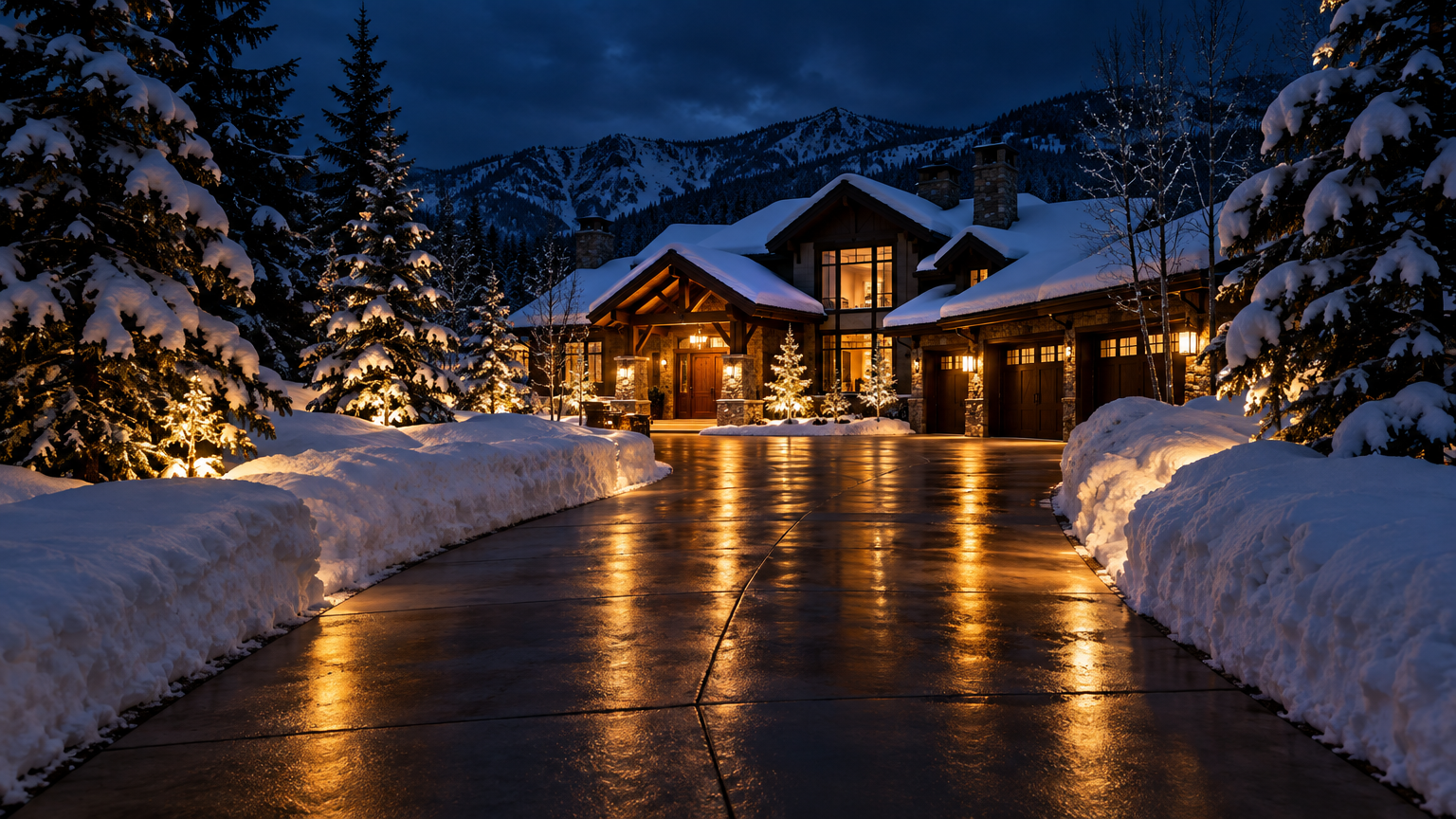
Heated Driveway Vail Colorado
Vail Colorado sits above 8,000 feet in the Rockies, where heavy snowfall, steep grades, and long freezing stretches can leave driveways and walkways buried and icy. For homeowners who want dependable access to their property all winter, we offer MeltMat technology, designed to melt snow beneath designated paved surfaces.
The result is automatic snow removal without shoveling, repeated plowing, or ice-melting products. The system can be designed for mountain homes, lodges, commercial entrances, walkways, and parking areas, with the heated coverage determined by the property’s layout and winter maintenance needs.
How It Works
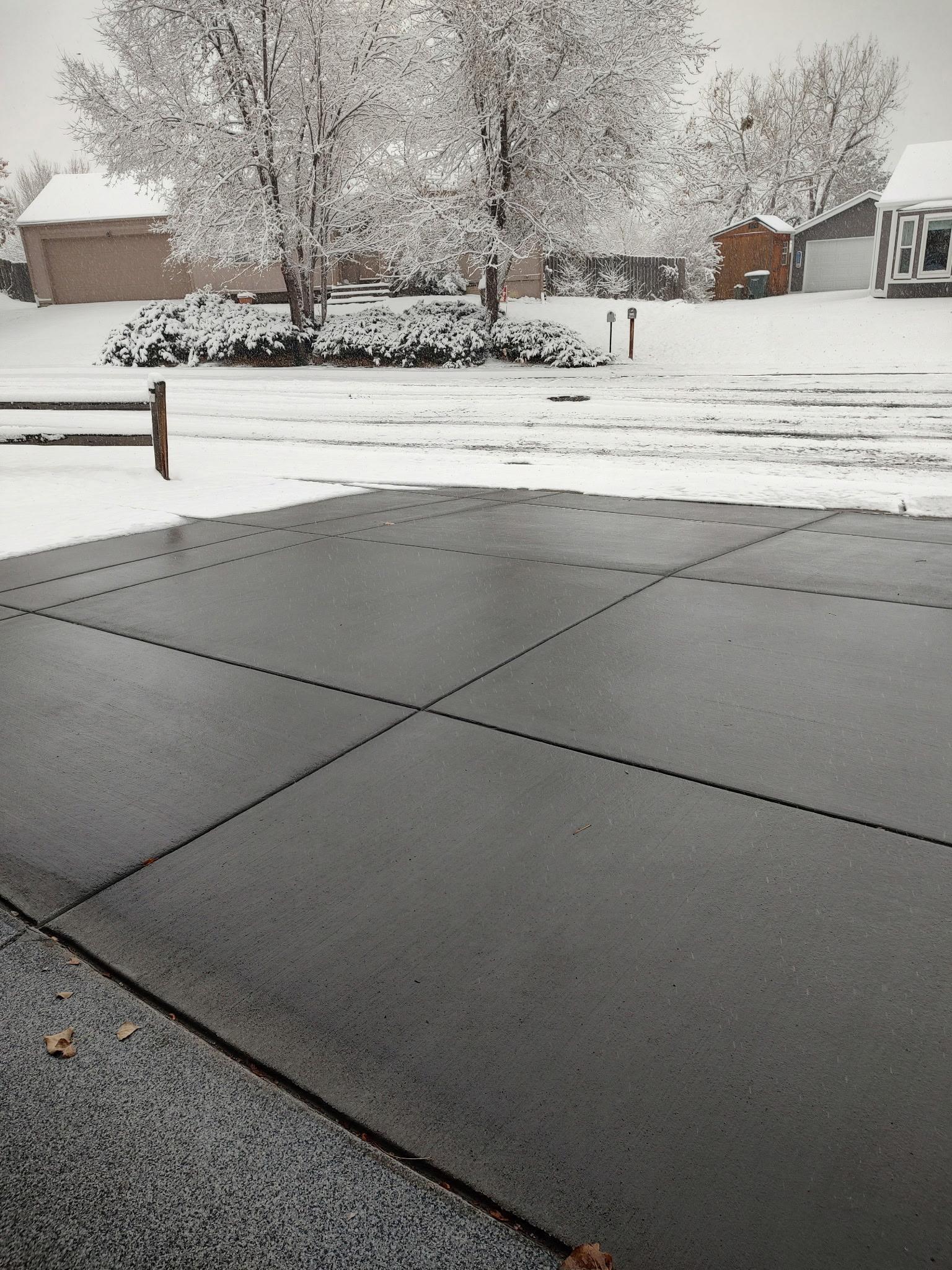
MeltMat uses electric heating elements installed beneath the finished pavement. Heated driveway ice melting starts at the surface: when the system detects suitable moisture and temperature conditions, the elements warm the slab from below, helping melt snow as it accumulates and reducing the potential for ice formation.
A snow melting sensor monitors outdoor moisture and temperature and communicates with the system controls. This lets the system respond to changing mountain weather rather than requiring the property owner to watch the forecast and switch the heat on every time snow begins to fall.
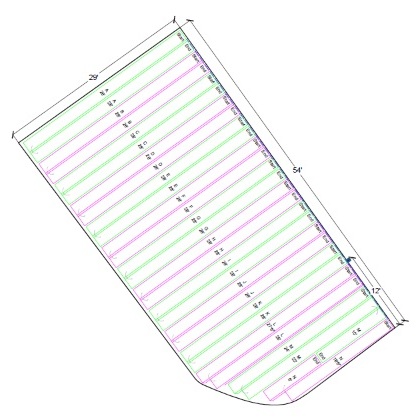
The heated area can cover the full driveway or focus on vehicle wheel tracks. Walkways, steps, and entrances can also be incorporated. Choosing the coverage based on how the property is used helps control the size and cost of the installation.
Planning a New or Existing Driveway
A new snow melting system can be incorporated into construction involving concrete, asphalt, or pavers. The heating elements are installed at the appropriate stage before the finished surface is completed. Working with a heated driveway expert early allows the heating layout, electrical requirements, and drainage to be planned together with the paving.
An existing driveway needs a more detailed assessment. Cracking, settling, heaving, and poor drainage may need to be addressed before heating elements are installed. Depending on the surface and system design, a retrofit may require removing and replacing the pavement or installing an appropriate overlay.
Before excavation, underground utilities and nearby tree roots should be identified. In Vail, property owners should also confirm permit requirements with the Town of Vail or Eagle County, and check any homeowners association rules, before scheduling work.
Choosing a Heating System and Coverage Area
Electric heating cables or mats can offer lower installation costs, although operating costs may be higher. Hydronic systems circulate heated glycol through tubing and generally cost more to install, but can be less expensive to operate for larger areas. The right choice depends on the property’s size, available energy source, construction requirements, and expected winter use.
Full coverage warms the entire designated driveway area. Wheel-track coverage concentrates heat where vehicle tires travel and can substantially reduce the area requiring heating. Walkways and entrances may be added where pedestrian access is a priority, and steep or shaded sections are often worth including.
Electrical Requirements and System Controls
Electric snow-melting systems can draw substantial power. An electrician should check the property’s electrical panel and determine whether a dedicated high-amperage circuit or electrical upgrades may be needed. Ground-fault protection should be addressed in accordance with the installation requirements and applicable codes.
The sensor and controller should be positioned for reliable operation and convenient access. Once the system is installed, the controls can be calibrated to respond to appropriate weather conditions. Automatic operation makes winter maintenance more manageable, but performance still depends on correct design, suitable coverage, and proper installation.
Installation and Cost Planning
The cost of a heated driveway depends on the size of the area, heating type, existing surface condition, electrical work, drainage improvements, and installation complexity. Operating costs should also be considered when comparing system options. Limiting coverage to wheel tracks or selected pedestrian areas may reduce the initial project cost.
Commercial owners, including lodges and condominium associations, often ask about heated parking lot cost. It depends on the square footage heated, the system type, available electrical service, and how the surface is prepared, so a site survey is the best way to get a reliable number.
Before paving over the heating elements, installers should complete the appropriate resistance tests for electric systems or pressure tests for hydronic systems. The finished surface must cure as required, after which the controller and sensor can be calibrated and the system tested before the first snowfall. Heated driveway life long performance depends on correct design, quality materials, testing before paving, and careful installation.
Vail Colorado Snow Melting Solutions
Our team can help property owners evaluate MeltMat for new construction or suitable driveway renovation projects. Homeowners searching for a heated driveway Vail Colorado contractors can trust usually begin with a site survey, so the system accounts for the surface, drainage, grade, and available electrical service.
A well-planned system offers an automated way to manage snow and ice during Colorado winters. Selecting suitable coverage, evaluating operating costs, and completing installation and testing correctly are important steps toward dependable seasonal performance.
Request a site survey
Tell us the property, surface, and square footage. We will help you choose a system that fits the job.
Email: info@usheateddriveway.com
Phone: +1(555)-555-5555